What Is A Pregnancy Belly Band?
-
 By
Rebekah Mustaleski, CPM
By
Rebekah Mustaleski, CPM
- Apr 30, 2026
Quick Answers About Pregnancy Belly Bands
A pregnancy belly band provides a flexible, tube-like support system that wraps around your abdomen to assist your lower back and hips as your baby grows. These garments provide gentle compression and help redistribute the weight of your baby bump, alleviating common physical strain. Most expectant mothers use a maternity belly band to reduce lower back pain, stabilize the pelvis, and improve overall mobility during the second and third trimesters.
-
What is a belly band?
A pregnancy belly band is a flexible, tube-like garment worn around your hips or lower abdomen, to provide gentle compression and support to your lower back and abdomen.
-
How does a maternity support belt help?
A maternity support belt redistributes the weight of your baby bump, which helps you alleviate lower back pain and reduces pressure on your pelvic floor.
-
When should you start wearing a belly band?
Most women benefit most from wearing a maternity back brace starting in the second trimester (between 20 and 24 weeks), as the belly becomes more prominent.
-
How do you wear one safely?
To ensure safety, you should wear your maternity belt during physical activity for two to three hours at a time to avoid over-relying on the support and to keep your core muscles strong.
-
How to wear a belly band correctly?
You should position the pregnancy belly support band low on your hips, cradling the underside of your bump rather than sitting directly across your stomach.
The Role Of A Pregnancy Belly Band
When we talk about support during pregnancy, we often encounter different terms like "belly bands," "tummy bands," and "maternity belts." While people sometimes use these names interchangeably, they serve slightly different purposes. A standard pregnancy belly band is usually a seamless, circular strip of fabric. You might use one to extend the life of your pre-pregnancy clothes by covering unbuttoned waistbands or to provide light support for your abdomen.
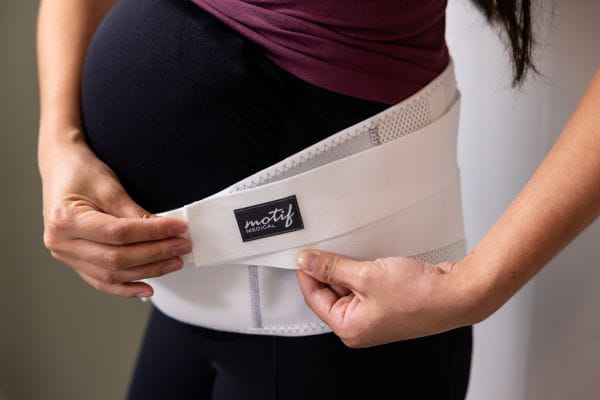
In contrast, a maternity back brace offers more robust clinical support. These devices usually feature adjustable straps and stiffer materials designed to support abdominal weight. This lifting action reduces the downward pressure on your pelvic floor and lower back. We recommend choosing a medical-grade option if you experience significant discomfort during daily activities.
Physical Benefits Of Using A Maternity Support Belt
As your center of gravity shifts forward, your muscles and ligaments work harder to keep you balanced. This shift often leads to various physical discomforts that a maternity support belt can help manage.
Managing Pelvic Girdle Pain And SI Joint Instability
Many moms experience sharp pains in the pelvic area or hips due to the hormone relaxin, which loosens our joints in preparation for birth. According to a study published in the Journal of Clinical Nursing, wearing a pelvic support belt during pregnancy can significantly reduce the intensity of pelvic girdle pain by stabilizing the sacroiliac (SI) joints. This stabilization prevents ligament overextension and allows you to walk and move with greater confidence.
Relief From Round Ligament Pain
Round ligament pain often feels like a sudden, sharp jab in the lower abdomen or groin area. This occurs as the ligaments supporting your uterus stretch and thicken. Using a maternity belt helps with round ligament pain by providing a physical lift to the uterus, which reduces the tension placed on these sensitive ligaments.
Improving Posture And Reducing Back Strain
The weight of a growing baby often causes our lower backs to arch excessively, a condition known as lordosis. A belly band acts as a gentle reminder to maintain a neutral spine. By evening out your weight distribution, belly bands reduce the workload on your spinal muscles and help prevent the swayback posture that can lead to chronic aches.
When To Start Wearing A Pregnancy Belly Band
There is no single right time to begin using support wear, but most moms find the greatest benefit starting in the second trimester. As your bump becomes more prominent between weeks 20 and 24, the added weight starts to impact your balance and back health.
You should consider a pregnancy belly band if you notice any of the following:
-
You feel a dull ache in your lower back after standing for short periods.
-
You experience heaviness in your lower abdomen during walks.
-
You find yourself holding your belly up with your hands for relief.
-
You have a history of back issues or are carrying multiples.
How To Wear A Pregnancy Belly Band Correctly
Knowing how to wear a belly band is essential for both comfort and safety. If the band sits too high or is too tight, it may cause discomfort or restrict blood flow.
Always follow these steps to ensure you get the best fit
-
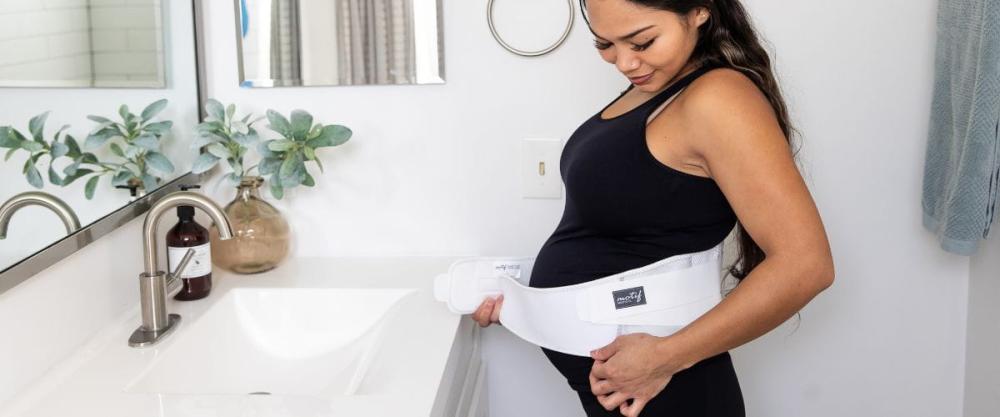
Position the widest part of the band under your baby bump. It should cradle the lower curve of your belly rather than sitting directly over the middle.
-
Secure the fastenings so the band feels snug but not restrictive. You should be able to slide two fingers comfortably between the band and your skin.
-
Position the back portion of the maternity belt against your lower back, ensuring it sits flat and does not roll up.
-
Adjust the side tension straps to provide the amount of lift you need for your specific activity level.
Safety Considerations For Expectant Mothers
While a maternity belly band offers excellent relief, you must use it mindfully. Medical experts suggest limiting the use of a pregnancy support belt to two or three hours at a time. Over-reliance on a brace can cause your core muscles to weaken because they are not doing the work themselves. Think of the belt as a tool for specific activities, such as grocery shopping, exercising, or long walks.
Always consult your healthcare provider before starting any new support regimen. This is especially important if you have high blood pressure or circulation issues. If you feel any unusual abdominal pain or if the baby’s movement patterns change significantly, remove the band immediately and speak with your doctor.
Maximizing Your Support With A Medical-Grade Maternity Back Brace
If you are looking for the best maternity belly band, quality and clinical design matter. The Motif Medical Pregnancy Back Brace is an FDA-listed medical device designed by healthcare professionals. Unlike basic fabric bands, this maternity back brace uses high-performance materials to provide targeted compression and durability.

One of the most significant advantages of choosing a medical-grade maternity support belt is the potential for insurance coverage. Because these braces are recognized as medical necessities for managing back pain during pregnancy, many insurance providers cover the cost entirely. This ensures you receive the highest level of support without an extra financial burden during an already expensive season of life.
Continuing Support After Delivery
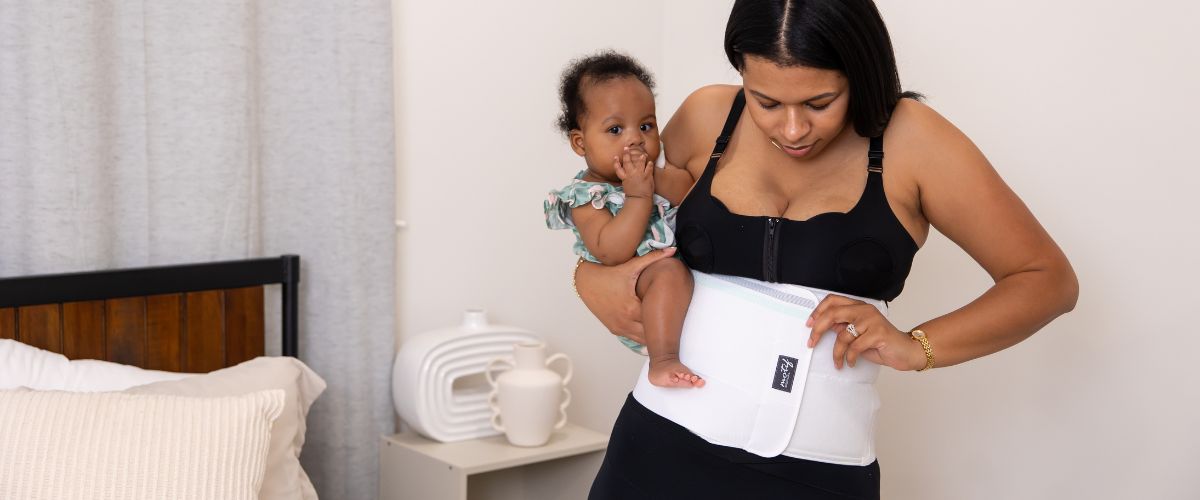
Your need for support does not necessarily end the moment your baby arrives. Many women transition to belly bands post-pregnancy to help the abdominal muscles knit back together. These garments provide the stability your core needs while your organs shift back to their original positions and your incision heals if you had a C-section. Using a post-pregnancy belly band can also make those first few weeks of lifting and carrying your newborn much more comfortable for your back.
Find Your Perfect Fit
We believe every mother deserves to move through her pregnancy with less pain and more joy. If you are ready to experience the difference that professional support can make, check your eligibility for a Motif Pregnancy Back Brace through insurance. Our team is here to help you find the pregnancy belly band that fits your body and your lifestyle perfectly.
About the Author

Rebekah Mustaleski is a Medical Advisor for Motif Medical. She is a Certified Professional Midwife with Roots & Wings Midwifery, where she promotes evidence-based maternity care for families seeking an out-of-hospital delivery.
Information provided in blogs should not be used as a substitute for medical care or consultation.
Information provided in blogs should not be used as a substitute for medical care or consultation.