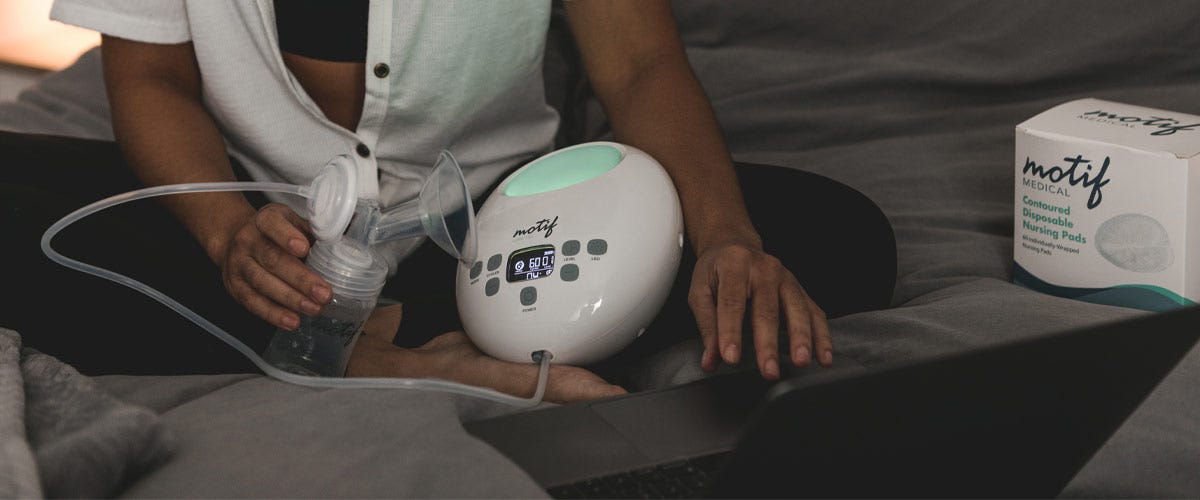
Pumping and nursing at night can come with its own set of challenges and questions. We had viewers ask our IBCLC and Lactation Director, Ashley, a series of their questions about nighttime nursing and pumping - see her helpful answers below!When should I start pumping?
If you're planning to deliver your baby by Cesarean section, or if you've already given birth by C-section, you should receive an abdominal binder before you leave the hospital, or you may choose to purchase your own. These postpartum support bands can help new moms during their recovery by reducing postoperative pain, reducing postpartum bleeding, and increasing mobility. So let's talk about how and when to use them for the best results.
Having a baby comes with plenty of new tasks and adjustments, but moms may not need to start breast pumping immediately. Milk supply concerns often make moms think otherwise. Unfortunately, pumping output is not a reliable gauge of total milk supply, especially in the first days postpartum. Many new moms question if they're producing enough milk, which can lead to anxiety.
On the flip side, with pumps becoming more efficient than ever, if mom is breastfeeding AND pumping, it can result in an oversupply. It's basically telling the body to create milk for more babies than there actually are. Milk supply is largely demand-driven.
Should a mom implement a pumping routine, and if so, when? While there isn’t a single answer to this, here are some things to consider.
If you find yourself asking, “Will my insurance cover my breast pump?” then you’re in the right place. Unfortunately, it seems like anything having to deal with insurance companies can be complicated and confusing, even when it comes to breast pumps.
However, that’s why we’re here to help by quickly guiding you through the breast pump insurance coverage.
Whether you’re filling out your baby registry or just scrolling social media and feeling overwhelmed with all the different baby items that are available, you’re likely wondering what you REALLY need for baby. While TikTok might tell you that all the gadgets and gizmos are necessary, this guide will help you break it down into needs versus wants. It's easiest to start by thinking of baby care in categories of what you'll be doing most with your newborn: feeding, sleeping, diapering, and clothing. Identifying your must-haves in these three categories helps narrow down what's most important as you prioritize your baby budget and registry wish list.
It’s not uncommon for breastfeeding moms to be encouraged to connect with an IBCLC for breastfeeding support. But, what is an IBCLC? When should you seek help from one? What should you expect from a consultation with an IBCLC and how can you prepare for your appointment? We’ve got you covered! Read on for the answers to these questions and more.
Breastfeeding is natural, but it can also bring some unexpected changes, including the appearance of lumps in your breasts. While most lumps are harmless and related to breastfeeding, it is important to know what is normal and when it might be time to consult a healthcare provider. Let’s explore why lumps may form, how to tell if they’re breastfeeding-related, and when they could signal something more serious, like an infection or in rare cases, breast cancer.
Drink to thirst. Consume half your body weight in ounces of water. Drink a gallon of water per day. The more you drink, the more milk you’ll make. These are all recommendations I found in a quick Google search on hydration and breastfeeding. Which ones are true? What does the scientific research say? Our IBCLC shares valuable tips to help you stay hydrated while breastfeeding!
There are common misconceptions surrounding breastfeeding after treatment for infertility. One of the most frequently circulated myths is that IVF (or other forms of ART) always results in breastfeeding difficulty. Knowing the factors ahead of time means you and your IBCLC can create a feeding plan that supports your breastfeeding goals. As you prepare to breastfeed after ART, here are some general tips to keep in mind to maximize your success.
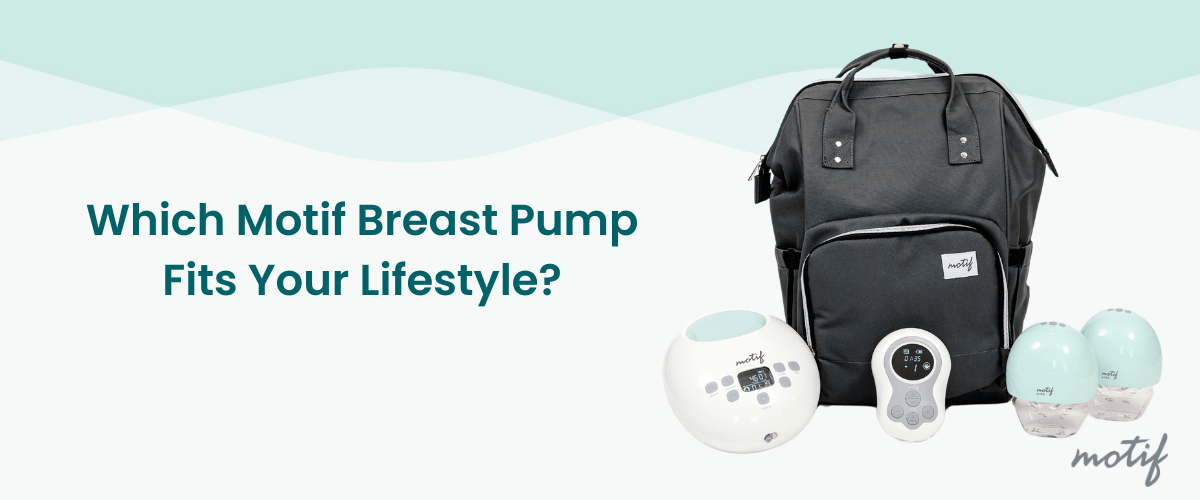
With so many breast pumps on the market, it can feel completely overwhelming to try to determine which one is the best option for you. Different pumps offer different features and options, but which ones will serve you best for your particular lifestyle